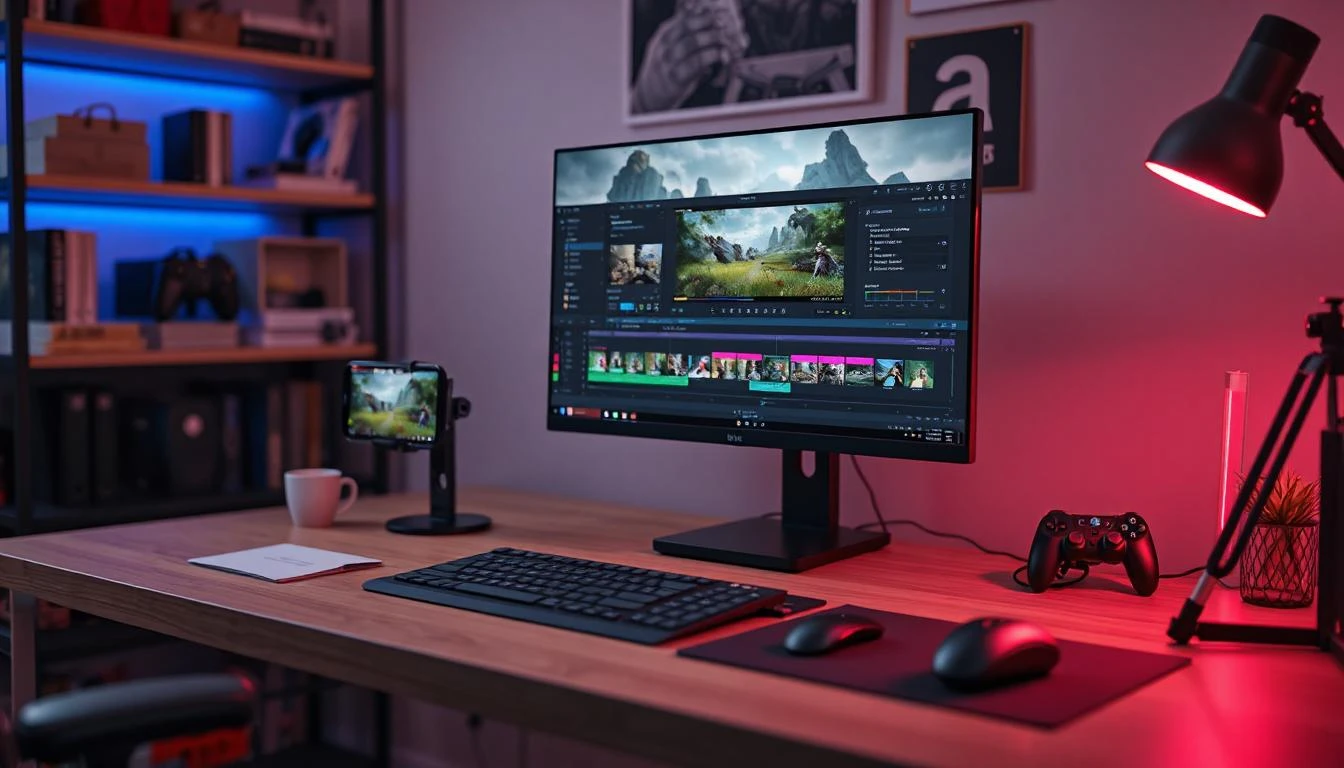
Retro Gaming Revival In Digital Era

The gaming world is evolving at a speed that often feels overwhelming, yet something unexpected is pulling players back into the past. Across streaming platforms, online forums, and modern consoles, a quiet movement is growing stronger each year. It is a return to simplicity, emotion, and design philosophy that once defined an entire generation of interactive entertainment.
This movement is widely recognized as the retro gaming revival culture, a phenomenon where classic games are not only remembered but actively reintroduced into modern play. What makes it even more interesting is how digital era retro game nostalgia continues to influence both developers and players, shaping preferences, design trends, and even purchasing behavior in today’s global gaming industry.
Retro Gaming Revival In The Digital Era
The gaming landscape today is no longer just about cutting-edge graphics or massive open worlds. Instead, there is a growing curiosity about where it all began. Players are rediscovering the emotional roots of gaming through older titles that once defined entertainment itself.
The retro gaming revival culture is not just a trend, it is a digital resurgence fueled by memory, accessibility, and community engagement. Many players describe it as returning to a simpler form of joy, where gameplay mattered more than visual complexity. The digital era retro game nostalgia has also become a powerful force in shaping how developers redesign classic experiences for modern audiences.
Nostalgia driven gaming communities
Across Reddit threads, Discord groups, and social media spaces, communities dedicated to retro gaming continue to expand. These groups are not only sharing memories but also actively preserving gameplay history. Players exchange strategies, hidden secrets, and even technical restoration methods to keep old games alive in playable form. As gaming historian Daniel Mercer once said, “Retro gaming communities are digital museums where memory becomes playable again.”
Remasters and re releases of classic titles
Game studios have recognized the growing demand for remastered editions of classic titles. Enhanced visuals, improved controls, and expanded compatibility allow older games to reach new audiences without losing their original identity. This blend of past and present strengthens the emotional connection between generations of players.
Indie developers inspired by retro aesthetics
Independent developers are increasingly embracing pixel art and minimalist mechanics. These creative choices are not limitations but artistic decisions that reflect a return to foundational design principles. Many indie titles today intentionally recreate the feel of early gaming eras while adding modern storytelling depth. Game designer Elena Vasquez once stated, “Retro aesthetics are not about going backward, they are about refining what made games meaningful in the first place.”
Why Retro Games Are Making A Comeback
Before diving deeper into the technical side of gaming platforms, it is important to understand why retro games continue to attract millions of players globally. The answer lies in psychology, accessibility, and cultural familiarity.
Simplicity and addictive gameplay mechanics
Retro games thrive on simplicity. Their mechanics are easy to understand but difficult to master, creating a satisfying loop that keeps players engaged. Unlike modern titles filled with complex systems, these games focus on core interaction, making them timelessly addictive.
Cultural influence of early gaming eras
The early era of gaming has left a permanent imprint on global pop culture. From arcade machines to early home consoles, these experiences shaped music, art, and even fashion trends. Today, they are remembered not just as games but as cultural milestones. The retro gaming revival culture continues to grow because it connects emotional memory with shared cultural identity.
Accessibility across modern devices
One of the strongest reasons for the comeback of retro games is accessibility. Today, players can enjoy classic titles on smartphones, PCs, and cloud platforms without needing original hardware. This convenience has made retro gaming more inclusive than ever.
Modern Platforms Supporting Retro Gaming
Technology has played a crucial role in preserving and expanding access to retro games. Without modern platforms, many classic titles would have been lost to time.
Emulators and digital game libraries
Emulators allow players to recreate old console environments on modern devices. Combined with digital libraries, they provide access to thousands of preserved titles. This system has become one of the most important tools in gaming preservation.
Subscription based retro collections
Gaming subscription services now include curated retro catalogs, offering legal access to classic titles across different eras. This model supports both preservation and monetization, ensuring that older games remain relevant in the modern market.
Community driven preservation projects
Dedicated fans and preservation groups actively archive old games, manuals, and source materials. These projects ensure that gaming history remains intact for future generations, even as original hardware becomes obsolete.
Rediscover Retro Gaming And Enjoy The Classics Today
The return to retro gaming is not about rejecting modern innovation but about rediscovering the foundation of interactive entertainment. Players are beginning to appreciate that emotional depth does not always come from graphical realism but from meaningful gameplay design.
As gaming analyst Robert Hill explains, “The success of retro gaming lies in its ability to remind players that fun does not require complexity, it requires clarity.” This perspective reinforces how the retro gaming revival culture continues to influence modern development decisions, while digital era retro game nostalgia keeps players emotionally connected to their gaming past.